Luxury means different things in different towns, and that is especially true in Short Hills. A high price alone does not make a home luxurious here. If you are buying or selling in this market, it helps to understand what actually drives value, from lot position and architecture to condition and commuter convenience. Let’s dive in.
Short Hills Luxury Starts With Context
In Short Hills, luxury is better understood as a market tier than a fixed number. Recent market data shows a median sale price of about $2.31 million, while average home value estimates have been around $2.45 million. Recent Millburn Township sold-home data also includes Short Hills closings around $2.22 million and $2.85 million.
That is why a practical definition of luxury in Short Hills usually starts in the low to mid $2 million range and rises from there. It is not an official cutoff, but it reflects how the market behaves today. In a town where many homes already trade at high price points, true luxury has to offer more than size.
Price Alone Does Not Define Luxury
Closed sales matter more than asking prices or automated value estimates when you are judging luxury. In other words, what buyers actually paid tells you more than what a seller hoped to get. That distinction is important in a market where pricing can move quickly.
Short Hills also stands apart from other high-demand Essex County suburbs on recent closed-sale data. Nearby towns like Montclair, Glen Ridge, Maplewood, and Livingston have recent median sale figures around $1.3 million to $1.4 million, which is materially lower than Short Hills. That gap helps explain why Short Hills is often treated as one of the county’s premium suburban markets.
Architecture Shapes Luxury Value
Short Hills has a long architectural story, and that history still affects what buyers value. Millburn Township describes Short Hills as the first planned commuter suburb in America, developed on 1,552 acres by Stewart Hartshorn. The area’s irregular topography and elevated building sites helped create a setting where custom homes and strong street presence still carry weight.
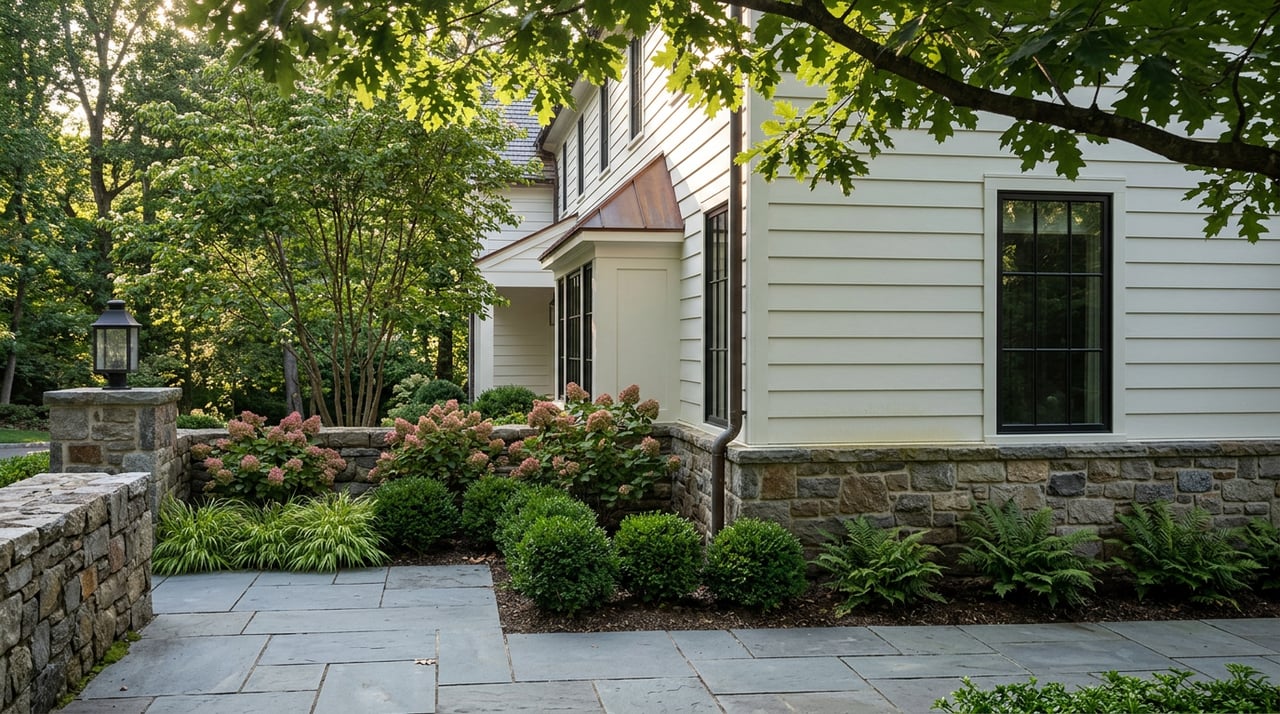
In practice, luxury homes in Short Hills often stand out because of architectural character, not just square footage. Buyers tend to notice custom construction, well-composed facades, and homes that feel distinctive within their setting. In a market like this, design coherence can matter as much as raw size.
Historic Styles Still Matter
Some of the clearest local examples come from historic areas in Short Hills. The Short Hills Park Historic District includes homes built roughly from 1870 to 1928 in styles such as Shingle, Queen Anne, and Stick. The Woodfield Short Hills Estates historic district nomination also points to 1920s Tudor Revival, Eclectic, and Greek Revival homes.
That does not mean a home must be historic to be luxurious. It means buyers in Short Hills often place real value on pedigree, craftsmanship, and architecture that feels rooted in place. A newer home can absolutely compete at the top of the market, but it usually needs custom quality and a strong design identity.
Lot and Setting Carry Real Weight
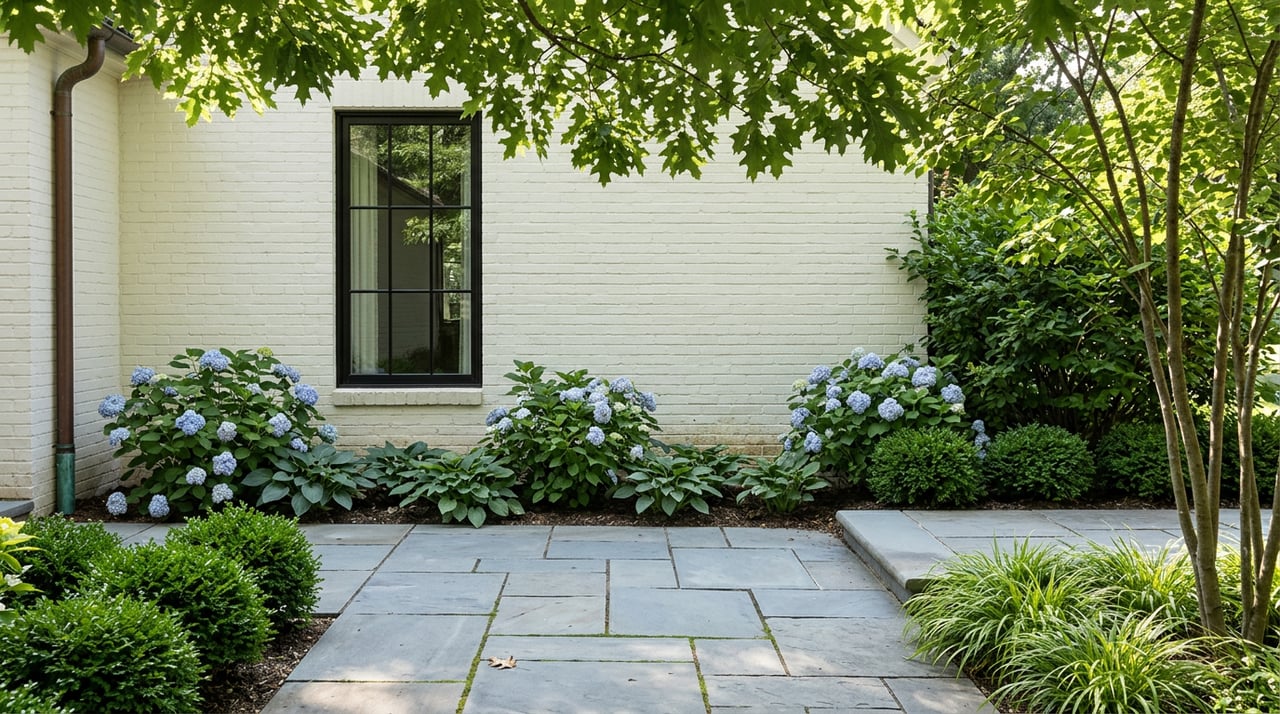
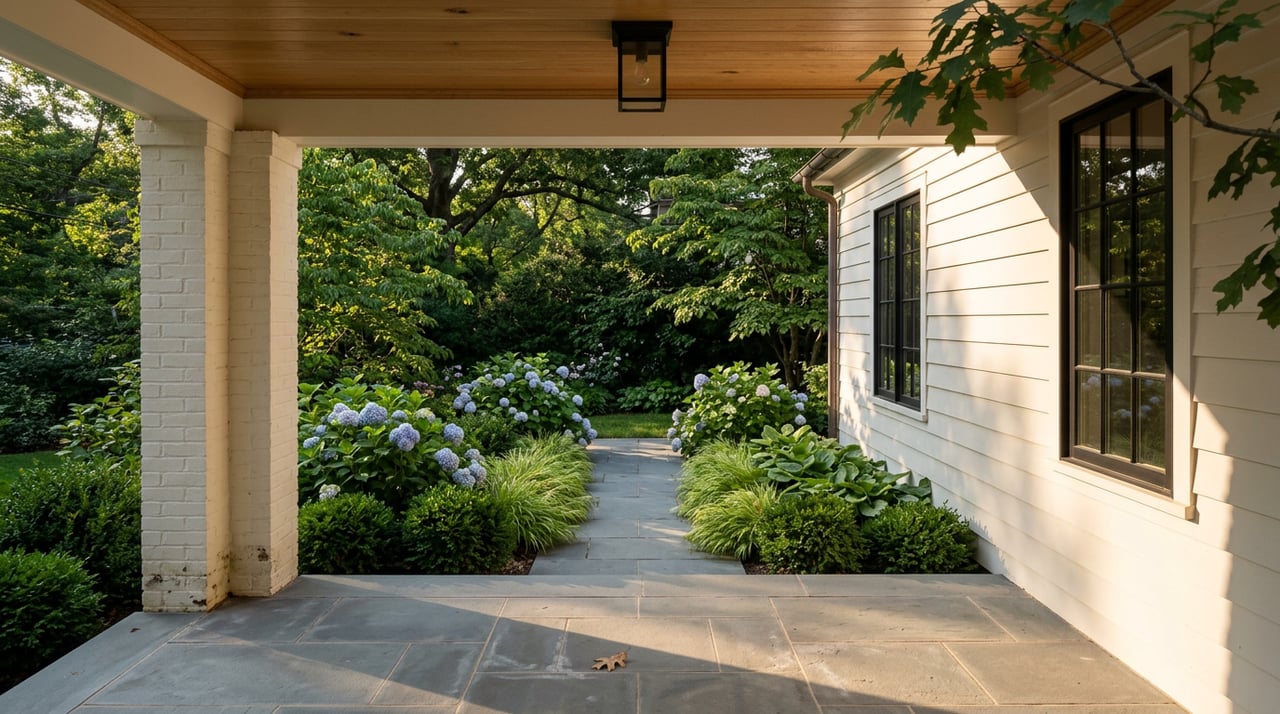
In Short Hills, the land itself is part of the luxury package. Elevated sites, deep setbacks, mature trees, and larger parcels tend to read as premium because they create privacy and separation. That is especially true in sections where homes sit back from the street and the surrounding landscape adds a sense of calm.
One township survey example describes a Dutch Colonial Revival home on 1.84 acres with a prominent rise, substantial screening, and a curved driveway. Those details capture several classic Short Hills luxury signals at once: size, privacy, and visual presence. When buyers compare top-tier homes, these site characteristics can meaningfully influence value.
Privacy Feels Different Here
Privacy in Short Hills is often more nuanced than simply having a big backyard. It can come from the way a home sits on the lot, the elevation change from the road, the tree cover, or the approach to the house. These features shape how a property feels the moment you arrive.
That is one reason price-per-square-foot comparisons can fall short in this market. Two homes with similar interior size may perform very differently if one has a more private setting, stronger topography, or a more impressive approach.
Interior Finish Matters at This Price Point
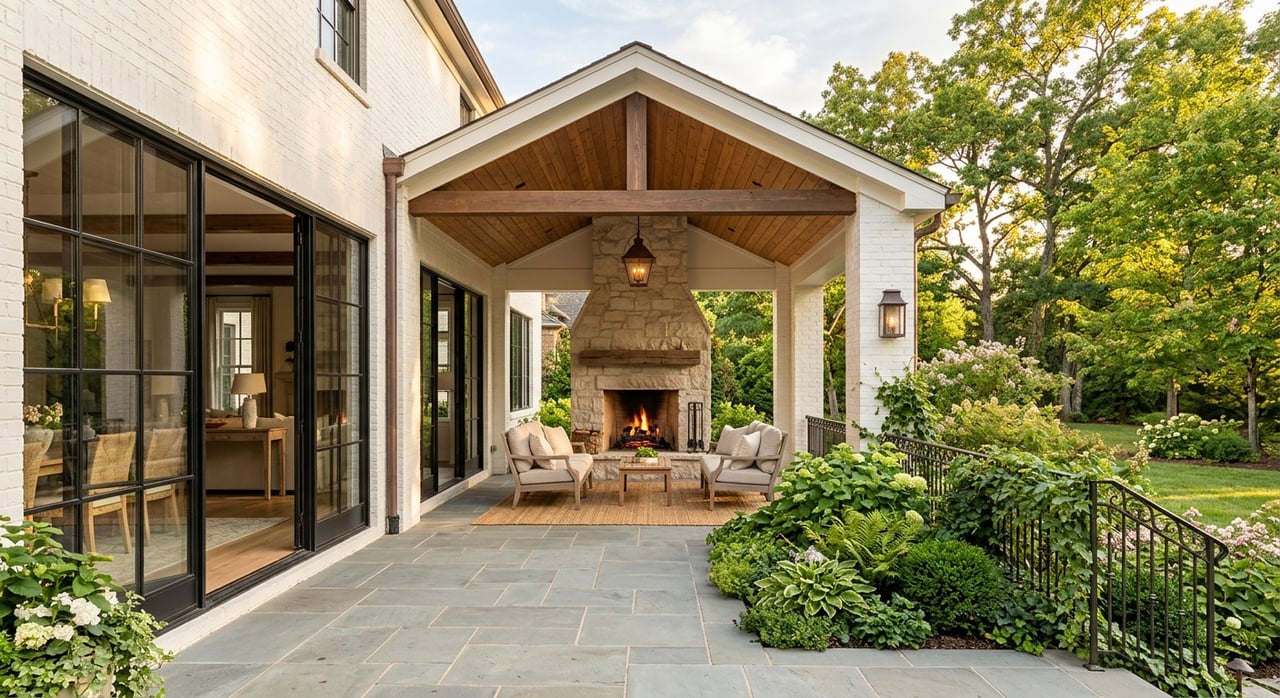
Once homes enter the multi-million-dollar range, buyers typically expect a complete package. In Short Hills, that often means updated kitchens and baths, generous primary suites, strong millwork, finished lower levels, and thoughtfully designed outdoor living areas. These are not formal municipal standards, but they are consistent with what buyers expect at this level.
This is where the difference between expensive and truly luxurious becomes clear. A large home that needs major updates may still command attention because of its lot or location, but turnkey finish and design coherence usually support stronger value. Buyers at the top of the market often want quality that feels intentional from room to room.
Location Supports the Luxury Story
A luxury home in Short Hills is not defined by the house alone. The location adds real value, especially for buyers looking for commuter access, established residential surroundings, and nearby amenities. Millburn’s master plan highlights the Mall at Short Hills as a premier regional shopping destination, along with a compact walkable downtown and direct access to Manhattan via NJ Transit’s Midtown Direct service.
For many buyers, that combination matters. A home can feel even more compelling when it offers both privacy and convenience. In Short Hills, luxury often includes access to a strong daily lifestyle, not just an attractive property.
Train Access Adds Practical Appeal
NJ Transit’s Short Hills Station is located at 25 Chatham Road between Old Short Hills and Forest Avenue. The Morris & Essex Lines schedule includes Midtown Direct service to Penn Station New York, and the station has parking and bike facilities. The township also provides commuter parking at the Short Hills Train Lot for residents with stickers.
For buyers coming from New York City or for households with regular Manhattan commutes, this transportation access can be a meaningful part of value. It does not replace the importance of the home itself, but it often strengthens demand for well-located properties.
Schools and Civic Context Influence Demand
Millburn Township Public Schools serve Short Hills and describe the district as known for academic excellence and high student achievement. For many buyers, the school district is part of the overall value equation. Even so, final pricing still depends heavily on the home’s lot, condition, and location within the market.
There is also a preservation layer to understand in parts of Short Hills. Historic district documents identify contributing local resources such as the 1907 Queen Anne brick train station, the 1938 Colonial Revival post office, and a 1925 Tudor Revival commercial strip. In certain areas, exterior changes may require historic preservation review, which can affect renovation planning.
How Buyers Should Judge Luxury Homes
If you are buying in Short Hills, the key question is simple: is this home truly delivering luxury, or is it just large and expensive? At today’s price levels, square footage alone is not enough. You want to weigh the total package.
A smart evaluation often includes these factors:
- Architectural character or custom quality
- Lot size, privacy, and topography
- Interior condition and renovation level
- Proximity to the train station or village areas
- Outdoor living design and curb appeal
- Overall design consistency from exterior to interior
When those pieces line up, the pricing tends to make more sense. When they do not, buyers should look carefully at whether the premium is fully justified.
How Sellers Should Position a Luxury Home
If you are selling in Short Hills, presentation and pricing discipline still matter even in a fast-moving market. Homes have been going pending in roughly 11 days on average, which shows that demand can be strong. But high-end buyers remain selective, especially when comparing one expensive property against another.
That is why comparable sales quality matters more than a quick price-per-square-foot shortcut. Acreage, privacy, architecture, finish level, and location can all materially change value. For sellers, pre-list preparation and careful comp selection are critical to making the home feel clearly competitive.
Preparation Can Shape the Outcome
In a market like Short Hills, luxury marketing starts with the product itself. If a home shows well, feels cohesive, and presents its best features clearly, buyers can respond quickly. If it feels unfinished or poorly positioned, even a strong property can lose momentum.
This is where thoughtful seller prep becomes valuable. Details like staging, cosmetic improvements, and a clear pricing strategy can help a property compete more cleanly against other top-tier homes in Essex County.
A Working Definition of Luxury in Short Hills
So, what defines a luxury home in Short Hills, NJ? The strongest working definition is this: a high-end single-family home with a premium lot or setting, strong architectural character or custom construction, and a finish level that stands up well against other top homes in Essex County.
That definition leaves room for different styles and price points, which is important in a market as nuanced as Short Hills. Some luxury homes win on historic pedigree, others on privacy and acreage, and others on turnkey modern design. The common thread is that they offer a level of quality, presence, and location that feels meaningfully above the already high local baseline.
If you are trying to make sense of the Short Hills luxury market, a local, detail-oriented strategy can make all the difference. Whether you are preparing to sell or looking for the right fit, Liz Morris brings the market insight, preparation guidance, and hands-on support that help you move with confidence.
FAQs
What price range usually defines a luxury home in Short Hills?
- In today’s market, a practical benchmark is that luxury often begins in the low to mid $2 million range and goes up from there, though there is no official cutoff.
What features make a Short Hills home feel luxurious?
- Buyers often look for a premium lot, privacy, strong architecture, custom or updated interiors, quality finishes, and outdoor spaces that feel polished and intentional.
Why is lot position so important for luxury homes in Short Hills?
- Elevated sites, deep setbacks, mature trees, and larger parcels can create privacy, stronger curb appeal, and a more distinctive overall setting.
How does train access affect luxury home value in Short Hills?
- Direct NJ Transit Midtown Direct service to Penn Station New York adds practical appeal for many buyers and can strengthen demand for well-located homes.
Do historic districts affect luxury homes in Short Hills?
- Yes, in some parts of Short Hills, historic preservation review may apply to certain exterior changes, which can influence renovation plans and design decisions.
What should sellers focus on before listing a luxury home in Short Hills?
- Sellers should focus on pricing based on strong comparable sales, presentation, staging, and making sure the home’s condition and design feel competitive within the top tier of the market.