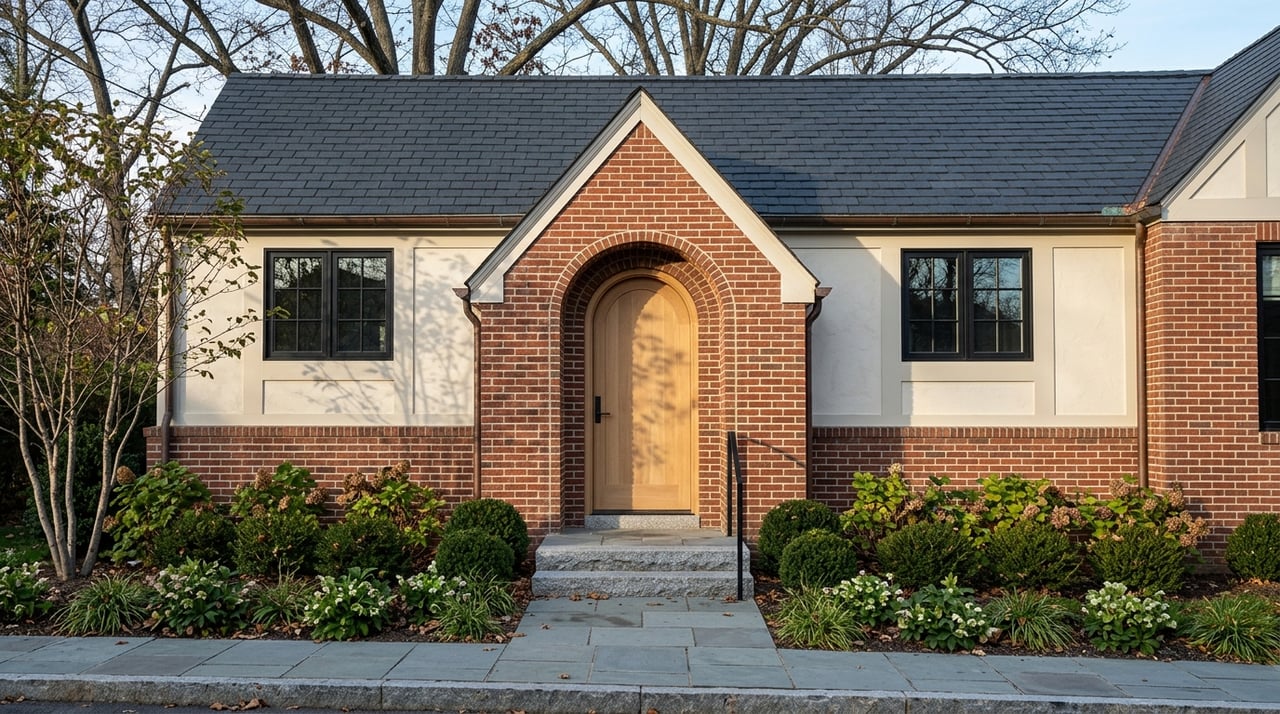
If you have started looking in West Orange, you have probably noticed something quickly: this is not a one-note town. One street can feel close to a traditional downtown, while another offers ridge views, larger lots, or faster access to major parkland. For homebuyers, that can be exciting, but it can also make the search feel harder than expected. This guide will help you understand how West Orange neighborhoods differ by setting, housing style, price range, and commute patterns so you can focus on the pockets that fit your life best. Let’s dive in.
West Orange Works Best as a Collection of Pockets
West Orange sits about 13 miles west of New York City, stretching from the lower basin near Orange up into the Watchung Mountains. The township’s own materials break it into Downtown West Orange and The Valley, the First Mountain, Pleasant Valley and Pleasantdale, and the Second Mountain.
That layout matters when you are buying. In West Orange, elevation, housing era, and daily transportation options can change noticeably from one section to the next. Older local names like Gregory, Llewellyn Park, Pleasantdale, St. Cloud, The Valley, Tory Corner, and Watchung Heights are still meaningful, which is one reason buyers often need a neighborhood-level strategy here rather than a townwide one.
Downtown West Orange and The Valley
What this area feels like
Downtown West Orange is the oldest and densest part of town, centered around Main Street and the east-west corridors of Central and Park Avenues. If you like a more traditional town-center layout, this part of West Orange usually feels the most connected to that pattern.
The Valley has a more industrial-historic identity, including the township’s arts district and ties to the area’s hat manufacturing past. Compared with the ridge and western sections, this part of town often feels older, more compact, and more urban in layout.
What buyers should know
Current market data puts The Valley at about a $499,900 median listing price, with 57 median days on market and a balanced market in March 2026. That gives buyers an important clue: this can be one of the more approachable entry points in West Orange, depending on the home type and exact location.
For commuting, the township’s jitney routes 1 and 2 serve the Gregory and Valley section. If train access is part of your routine, that neighborhood-based shuttle pattern is worth paying attention to early in your search.
First Mountain Neighborhoods
Why the First Mountain stands out
As you move west of downtown, West Orange climbs the First Watchung Mountain. Housing shifts with that rise in elevation, and you start to see more Victorian homes, Tudor styles, large estates, garden apartments, and post-World War II modern homes.
This is also the section where many blocks have skyline views of Newark and New York City. For buyers who care about character, topography, and a stronger sense of architectural variety, the First Mountain is often where West Orange starts to feel especially distinctive.
Gregory, St. Cloud, Watchung Heights, and more
One of the biggest mistakes buyers make is assuming the First Mountain is one price tier. It is not. Current neighborhood pages show Gregory at about $724,500, St. Cloud at about $699,999, and Watchung Heights at about $574,949.
That spread matters because homes in the same broad section can still serve very different budgets. It also means your search criteria may need to be specific block by block, not just neighborhood by neighborhood.
Llewellyn Park and Hutton Park
Llewellyn Park is especially notable because the township describes it as the first gated community in the United States and one of the country’s earliest planned residential communities. Hutton Park also sits in this broader ridge section, but both neighborhoods currently show very thin inventory, with only 4 homes for sale in Llewellyn Park and 3 in Hutton Park on their current pages.
For buyers, low inventory usually means patience matters. If you are targeting one of these more limited pockets, it helps to stay flexible on timing and be ready when the right home appears.
St. Cloud’s larger-lot feel
St. Cloud deserves separate attention because the township’s architectural survey found lot sizes there were often at least a quarter acre and commonly between one-half and one acre. The neighborhood also includes a base of Victorian and early 20th-century dwellings, especially in its northeast section.
In practical terms, that gives St. Cloud a more established older-suburban feel than some other parts of town. If lot size, mature housing stock, and a more spacious setting are high on your list, this is one pocket to study closely.
Pleasantdale, Pleasant Valley, and Nearby Pockets
A more suburban patchwork
Beyond Prospect Avenue, West Orange becomes a mix of postwar suburban neighborhoods, older Victorian pockets, golf courses, professional campuses, and shopping areas. This part of town often feels different from both downtown and the First Mountain ridge.
Pleasantdale is the walkable business district in this section, and the township notes that the housing stock resembles nearby Millburn and Livingston. That comparison helps explain why some buyers see this area as a strong middle ground between convenience and a more suburban setting.
Price and commuter relevance
Current market data places Pleasantdale at about a $634,500 median listing price as of April 2026. That positions it above The Valley and Watchung Heights, but below Gregory based on the figures in the research.
This section is also especially relevant for commuters because jitney routes 6 and 7 serve Pleasantdale, Redwood, Lourdes, and Tory Corner. If your routine depends on a predictable train connection, this neighborhood-specific service pattern can help narrow your search.
Second Mountain and Reservation Access
Where park access becomes a major feature
The westernmost section of West Orange sits on the eastern face of the Second Watchung Mountain and includes large portions of South Mountain Reservation. In lifestyle terms, this is the area most directly tied to larger parkland and trail access.
If outdoor access shapes your home search, this can be a meaningful differentiator. Some buyers prioritize a classic neighborhood street, while others want quick access to bigger natural spaces for walking, running, or weekend downtime.
Open-space options across town
West Orange offers more than one kind of outdoor access. The township lists 12 parks and playgrounds and 75 acres of municipally owned properties, while Eagle Rock Reservation adds a ridge-line park of more than 400 acres and South Mountain Reservation adds a 2,112-acre reserve spanning multiple towns.
That means your choice is not simply “park access or no park access.” Instead, you can think about whether you want a neighborhood with smaller local parks nearby or a location with easier access to larger county reservations.
West Orange Price Range Is Wide
Why budget planning matters here
West Orange is not one price band. The township describes housing that ranges from larger estates and colonials to split-levels, capes, condo complexes, townhouses, and newer enclaves, which helps explain why buyers with different goals can all find reasons to look here.
Census QuickFacts show a median owner-occupied home value of $557,300, an owner-occupied housing rate of 69.2%, a median gross rent of $1,897, and a mean commute time of 34.4 minutes. Those numbers give useful context, but neighborhood-level pricing is still the better tool when you are trying to match your budget to the right section.
How West Orange compares nearby
For nearby context, Census Bureau QuickFacts place Montclair at $906,400, Maplewood at $720,700, and Verona at $608,400 for median owner-occupied housing value. On that measure, West Orange sits below all three.
That is one reason buyers often compare West Orange with those towns while finding a broader range of price points here. If you want access to Essex County neighborhoods with varied housing types and multiple budget bands, West Orange often stays in the conversation for good reason.
Commuting Can Change by Neighborhood
Jitney and train connections
West Orange provides free jitney service to Orange, South Orange, and Brick Church stations, and the township says the Midtown Direct line is only minutes away. Because the jitney system is organized by neighborhood section, the practical commute experience can differ depending on where you buy.
For example, Gregory and The Valley have their own route structure, while St. Cloud, Hutton Park, and Pleasantdale-area neighborhoods are served through other sections of the system. If commuting is a top priority, this is not a detail to save for later.
Bus access also matters
The township also notes that bus routes throughout town provide access to New York City’s Port Authority. Route 101 runs West Orange, Montclair, and New York, with stops at the West Orange Mississippi Avenue loop and Port Authority Bus Terminal.
For some buyers, that adds useful flexibility. A neighborhood may fit because of home style or budget, but transportation options often decide whether it works comfortably in everyday life.
How to Choose the Right West Orange Pocket
Rather than asking which West Orange neighborhood is “best,” it is usually smarter to ask which one best fits your priorities. The clearest way to understand the town is by elevation, housing era, and commute style.
A simple framework can help:
- Consider Downtown West Orange or The Valley if you want an older, denser setting and a more approachable price point.
- Look at Gregory, St. Cloud, or other First Mountain pockets if you want character homes, ridge settings, and in some cases skyline views.
- Focus on Pleasantdale and nearby sections if you want a more suburban patchwork with commuter relevance and mixed housing styles.
- Explore the Second Mountain area if access to larger reservation land and trails is a major lifestyle priority.
The right fit depends on what you value most day to day. Budget matters, of course, but so do lot size, architecture, commute rhythm, and how you want the neighborhood to feel when you come home.
If you are weighing West Orange against nearby towns or trying to sort through its very different pockets, a local, neighborhood-level approach can save you time and help you buy with more confidence. If you want help narrowing down the right part of West Orange for your budget and lifestyle, reach out to Liz Morris for thoughtful, hands-on guidance.
FAQs
What makes West Orange neighborhoods different for homebuyers?
- West Orange varies by elevation, housing era, price point, park access, and commute options, so each neighborhood pocket can feel quite different from the next.
What is the most affordable area in West Orange based on current data?
- Based on the research provided, The Valley has the lowest cited median listing price at about $499,900, though actual affordability depends on property type, condition, and exact location.
Which West Orange neighborhoods have more historic or character homes?
- First Mountain neighborhoods such as Gregory, St. Cloud, Llewellyn Park, Hutton Park, and Watchung Heights are more associated with Victorian, Tudor, estate, and other older housing styles.
Which West Orange area may appeal to buyers who want larger lots?
- St. Cloud stands out because the township’s architectural survey found lots that were often at least a quarter acre and commonly between one-half and one acre.
Which West Orange neighborhoods are useful for commuters?
- Several sections are served by the township’s free jitney system, including Gregory and The Valley, St. Cloud, Hutton Park, and Pleasantdale-area neighborhoods such as Redwood, Lourdes, and Tory Corner.
Is West Orange one consistent price range?
- No. The research shows a meaningful spread, from about $499,900 in The Valley to about $724,500 in Gregory, with other neighborhoods falling in between and some inventory-light pockets offering less market depth.
How does West Orange compare with nearby towns on home values?
- The research indicates West Orange’s median owner-occupied home value is below Montclair, Maplewood, and Verona, which helps explain why buyers often see it as offering a broader range of price points within Essex County.
Which part of West Orange is best for outdoor access?
- The Second Mountain section is most directly tied to large parkland and trail access because it includes large portions of South Mountain Reservation, while other parts of town also benefit from local parks and access to Eagle Rock Reservation.