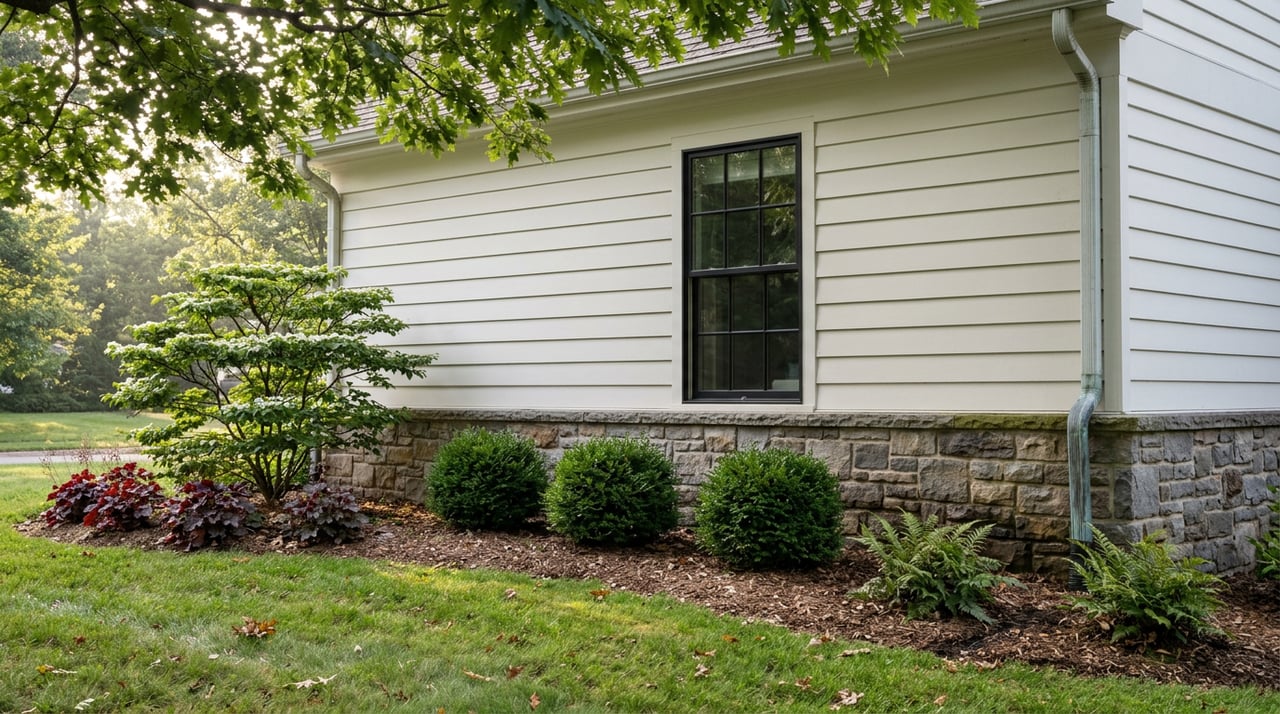
A young family gets an accepted offer on a Colonial near Verona Park. The home inspection goes well until the inspector notices a capped pipe near the foundation and a slight depression in the side yard, the kind of detail an owner walks past for twenty years without a second thought. The inspector recommends a tank sweep. The buyer's attorney calls the seller's attorney. Ten days into a thirty-day inspection period, everyone is waiting on a technician with a magnetometer instead of finalizing a mortgage commitment.
This scene plays out often enough in towns like Verona that it deserves more than a passing mention in a pre-listing conversation. The reason isn't bad luck. It's housing stock, and it's a state assistance program that sounds like a safety net until you look at how long it actually takes to pay out.
Why This Keeps Surfacing in Verona Contracts
Verona's charm is largely a function of its age. A 2017 historic resources survey commissioned by the Verona Landmarks Preservation Commission found that most of the township's historic properties date to the late nineteenth and early twentieth century suburban building booms. That early architecture, and the waves of construction that filled in the neighborhoods around it through the middle of the century, land squarely inside the decades when oil heat was the regional default. Underground tanks serving those systems were commonly installed from the 1930s through the 1970s, long before natural gas lines reached every block.
Plenty of those tanks were decommissioned properly when homes converted to gas. Plenty were not. A home inspector cannot see through a foundation wall or a lawn, which means a tank can sit undetected for decades in a house that has changed hands two or three times since anyone last thought about how it was heated.
How the Discovery Usually Unfolds
When a tank does surface, it tends to follow a predictable sequence, and the predictability is exactly why getting ahead of it matters.
- A home inspector notices physical evidence. Fill caps, vent pipes, or lines entering a foundation wall are common tells, and any competent inspector working in an older Essex County town knows to look for them.
- A licensed contractor performs a sweep. Using metal detection and sometimes ground-penetrating radar, a technician scans the property for buried metal consistent with a tank's shape and depth.
- The lender gets involved. Many mortgage lenders will not finalize a loan on a property with a known buried tank until it is removed and soil tests come back clean, and FHA loans explicitly require resolution of the issue before closing.
- Negotiation follows. An unresolved tank typically produces a price reduction request, an escrow holdback, or in the harder cases, a buyer who walks.
None of these steps is unusual on its own. Strung together during a thirty to sixty day inspection period, they become the thing that quietly stalls or reshapes a deal that looked simple on the day it went under contract.
What the Numbers Actually Say
A tank sweep itself is inexpensive, typically around $250, according to closing guides that track New Jersey inspection costs. If a tank is found and needs to come out, removal without contamination generally runs $1,500 to $3,500, a range corroborated by multiple New Jersey environmental contractors publishing 2026 pricing. The number that changes the conversation is what happens if the tank has leaked. Remediation, meaning soil testing, excavation, and disposal, can run anywhere from $3,000 to $15,000 or more depending on how far the contamination traveled.
That range isn't theoretical. Roughly 20 to 30 percent of underground tank removals in New Jersey turn up some level of soil contamination once the tank is out of the ground. A quarter of the time, in other words, a routine removal becomes an environmental cleanup with a much longer timeline attached.
The Gap Between the Safety Net and Your Closing Date
New Jersey does operate a program meant to help homeowners with exactly this problem. The Petroleum Underground Storage Tank Remediation, Upgrade and Closure Fund offers grants and loans for eligible applicants dealing with a leaking tank. It sounds like relief until you check the current status.
As of the New Jersey Department of Environmental Protection's own fact sheet, there is currently a 3.5-year wait time for review due to the program's popularity.
A standard New Jersey home sale closes in a matter of weeks. A grant application sits in a queue for years. The program isn't broken, it's simply operating on a timeline that has nothing to do with a real estate contract. Anyone counting on state assistance to bridge the gap between a tank discovery and a scheduled closing is, functionally, planning to wait it out on their own dime, because the fund will not move fast enough to matter.
This is the part of the process that generic advice tends to skip past. The useful move isn't learning that a grant exists. It's understanding that the grant is not a transaction tool, and treating any tank question as something to resolve on your own schedule, well before a buyer's attorney is calling with a ten day countdown.
Signs Worth Checking Before You List
Before calling anyone, a walk around the property with a specific checklist in mind can tell you a great deal:
- A capped pipe protruding from the ground, often near a foundation wall or driveway
- An old vent pipe still attached to an exterior wall
- A slight depression or soft spot in the lawn where soil has settled over a buried void
- Patchwork in a driveway or patio that doesn't match the surrounding surface
- Deed or closing documents from a prior sale that mention a tank, a removal, or a closure certificate
None of these guarantee a tank is present. All of them are worth a second look, and any one of them is reason enough to schedule a sweep before your home is under contract rather than during it.
What This Means If You're Listing This Year
The practical takeaway for a Verona seller is simple to state and easy to skip. Order the sweep before you list, not after an inspector flags something. If a tank turns up, you control the timeline for removal and, if needed, remediation, instead of negotiating those costs against a buyer's clock and a lender's deadline. If your home converted from oil to gas at some point and nobody kept the paperwork, that gap in the record is common, and it's exactly the kind of thing worth closing before a buyer's attorney asks the question first.
According to Oil Tank Removal NJ, New Jersey law requires disclosure of any known underground tank, whether active, inactive, or abandoned in place, through the Seller's Property Condition Disclosure Statement. Getting ahead of that disclosure with a clean sweep report, or a documented removal, turns a potential liability into a settled fact before a buyer ever sees the listing. That's the difference between negotiating from a position of preparation and negotiating from a position of surprise.
A Few Questions Worth Answering Directly
Do I have to remove a tank before I can sell my home in Verona? In practice, most buyers and nearly all lenders will require it before closing, which makes proactive removal the more practical path for most sellers.
What if I converted from oil to gas years ago and never thought about the old tank again? This is one of the most common situations sellers run into. Without documentation of a proper removal, the safest move is a sweep before listing rather than assuming the tank was handled decades ago.
Will homeowners insurance cover a leak if one turns up? Coverage varies by policy, and standard homeowners insurance often excludes environmental contamination. Checking directly with your carrier before assuming coverage exists is worth the phone call.
How long does this actually take if a tank is confirmed? A sweep takes a day or two to schedule and complete. Removal without contamination typically adds a few weeks once permits are pulled through the local building department. If contamination is found, the timeline extends based on the scope of the cleanup, which is exactly why sorting this out before listing protects your closing date.
None of this is a substitute for guidance from a real estate attorney familiar with New Jersey's disclosure requirements, particularly given how much variation exists from one property to the next. But knowing the questions to ask, and the timeline the state's own assistance program actually runs on, puts a Verona seller in a far stronger position than finding out the hard way, mid contract, with a buyer's clock running.
If you're weighing a sale in Verona and want a straight answer about what your specific property might be dealing with, the Liz + Vikram Team can walk through what to check before you list and connect you with the right local contractors to get ahead of it. Contact us when you're ready to talk it through.
This article is general information, not legal, tax or financial advice. Consult a qualified professional about your situation.